


Kanoon Ki Dastak
In a significant judgment concerning preventive detention under the Jammu & Kashmir Public Safety Act, 1978, the High Court of J&K and Ladakh at Srinagar has upheld the detention of a youth from Pulwama, citing credible inputs linking him to terror groups Lashkar-e-Toiba (LeT) and The Resistance Front (TRF).
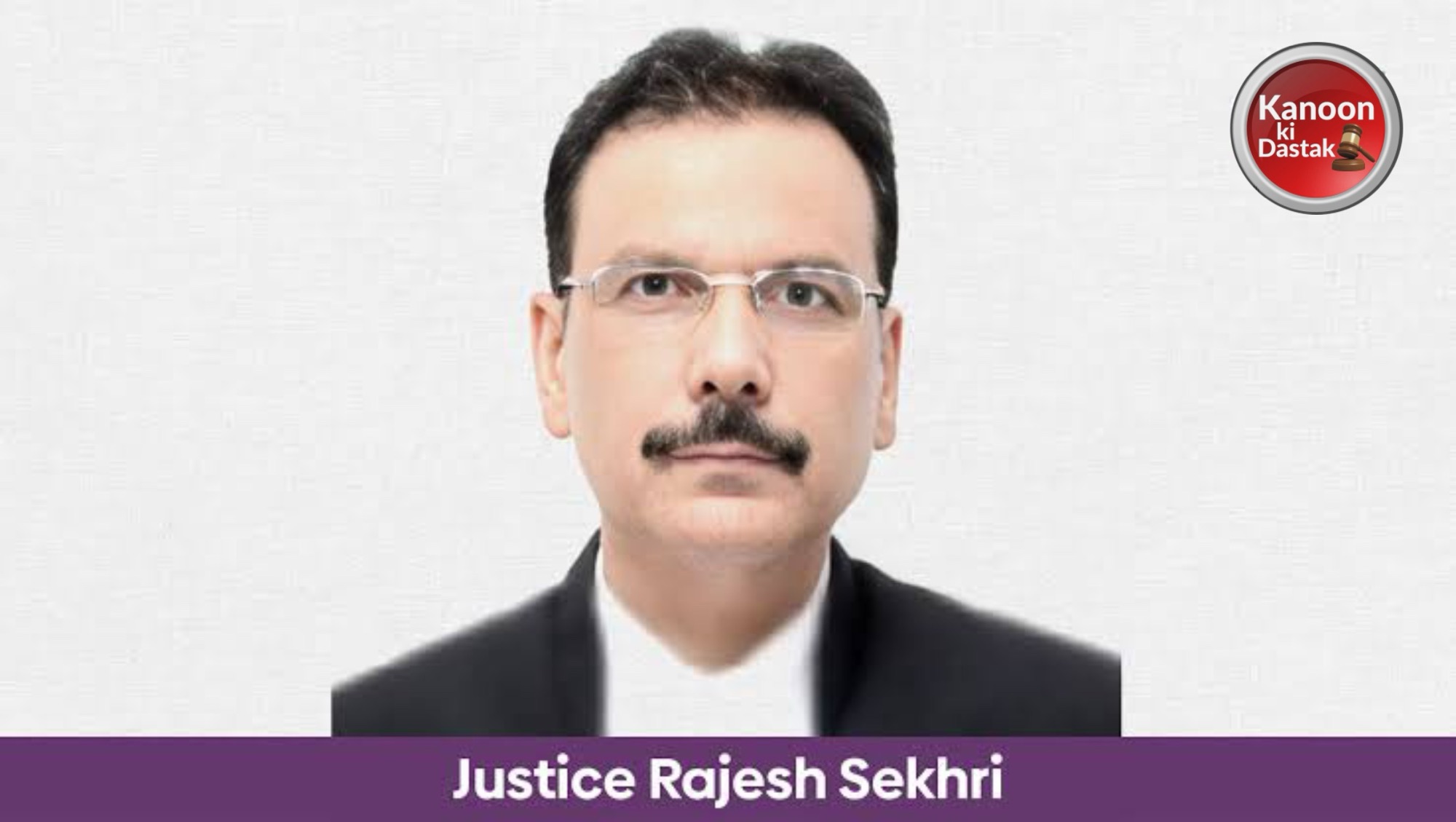
Justice Rajesh Sekhri, while dismissing the habeas corpus petition filed against the detention order dated 04.04.2024 issued by the District Magistrate, Pulwama, made detailed observations about the importance of preventive detention in safeguarding national security.
The Court reiterated the settled principle that preventive detention is not a punitive measure, but rather a precautionary one based on the subjective satisfaction of the detaining authority. It held that the grounds for detention were specific, proximate, and not vague, contrary to what was alleged by the petitioner.
“The activities attributed to the detenue were highly prejudicial to the security of the State… he continued to indulge in similar activities and did not desist from anti-national behaviour,” the Court observed.
The petitioner challenged the detention order primarily on the basis that it was based on an old FIR (No. 46/2022), registered when he was a juvenile. However, the Court noted that post his bail, the petitioner was under discreet surveillance, and inputs from security agencies indicated his renewed involvement in supporting terrorism—transporting militants, gathering intelligence on security forces, and radicalising youth.
The judgment quoted from the detention dossier:
“You have deep passion towards terrorism… trying to revive militancy which has been brought down considerably… providing logistic support and instigating youth to join terrorist ranks.”
Rejecting the claim that the detention violated constitutional safeguards under Article 22(5), the Court held that the detention order and grounds were duly explained to the detenue in Urdu and Kashmiri, and he had acknowledged receipt. Furthermore, the petitioner failed to prove that he had made any representation to the competent Government authority, as required under law.
The Court noted that the case was referred to the Advisory Board under Section 15 of the PSA, which had endorsed the detention on 22.04.2024 after evaluating all material. It clarified that the representation made by the detenue to the District Magistrate did not suffice, since it was not addressed to the appropriate government authority.
In a crucial observation on the limits of judicial review in such matters, the Court stated:
“The writ court cannot act as an appellate forum to substitute its view for the subjective satisfaction of the detaining authority… sufficiency of material is not for the court to judge.”
Finding no procedural illegality or constitutional violation, the Court dismissed the habeas corpus petition and upheld the preventive detention order under PSA.
Wajid Mohammad Haseeb, Advocate appeared for the petitioner.
Rekha Wangnoo, Govt Advocate, appeared for the respondents.